

World Mental Health Day: Being Heard Isn't the Same as Feeling Understood
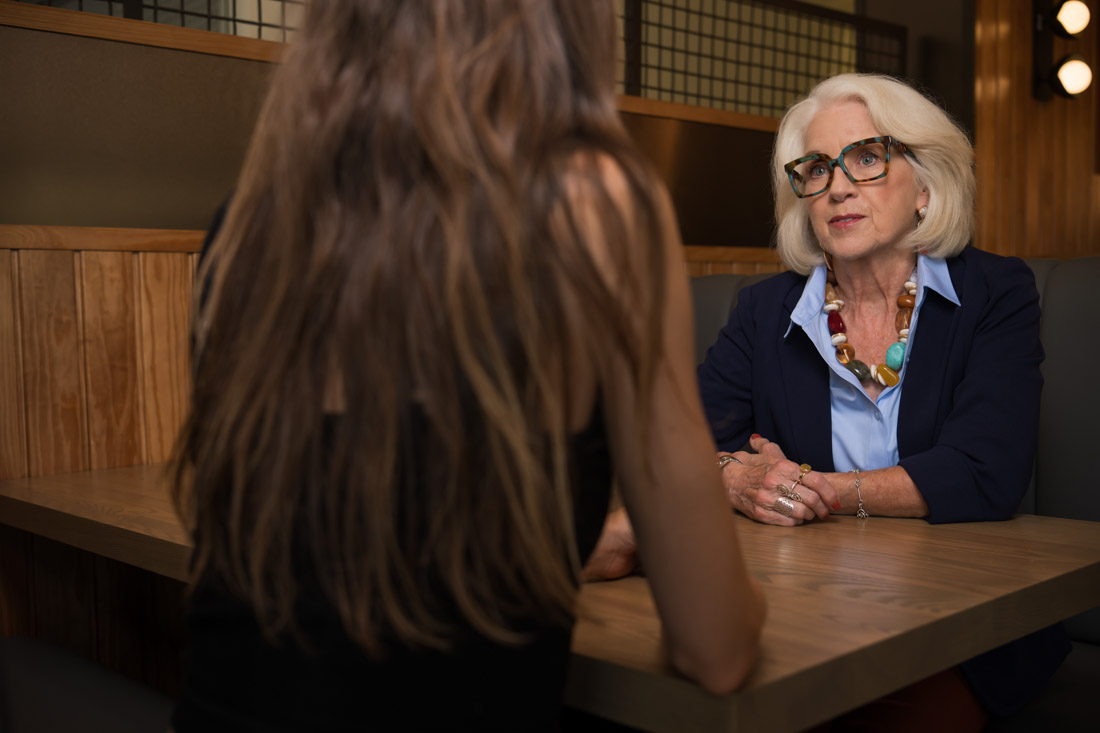
Relationship wellness speaker and licensed psychotherapist Judy K. Herman emphasizes the importance of helping others feel understood, not simply heard.

Judy K. Herman draws on more than two decades of clinical experience to help audiences navigate relationship conflict and strengthen meaningful connection.
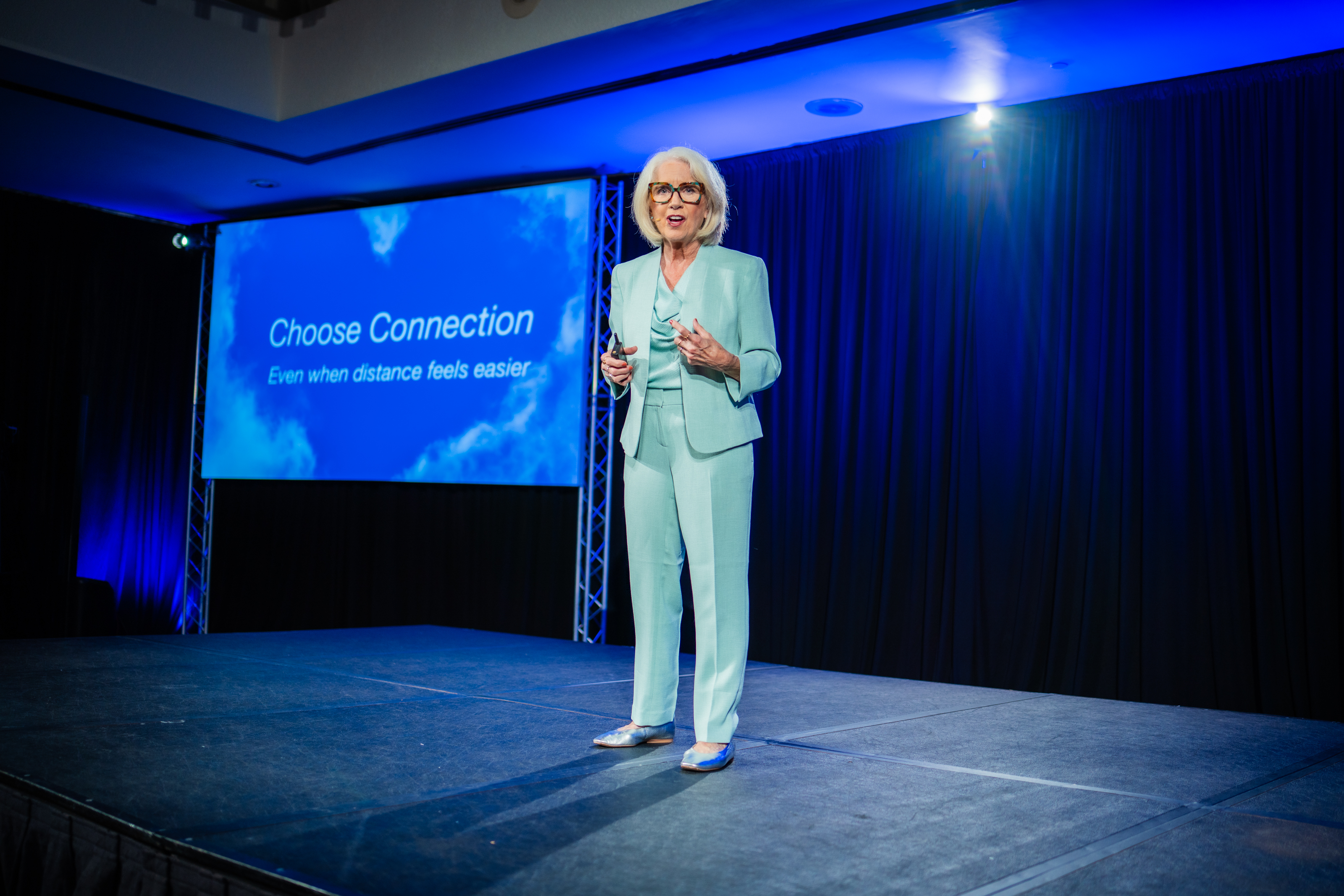
Professional speaker and author Judy K. Herman brings insights from more than two decades of clinical experience to conferences, organizations, and professional audiences.
Relationship wellness speaker, author, and licensed psychotherapist Judy K. Herman shares three practical ways to create meaningful connection.
The WHO's 2026 campaign emphasizes the importance of recognizing people with lived experience of mental health conditions as experts in their own lives and including their perspectives in decisions about mental health care.
Herman believes that the same principle of honoring another person's experience has important implications for everyday relationships.
“We all long to feel felt by another person,” Herman said. “But sometimes we're so busy preparing our response, offering advice or defending our intentions that we miss what the other person is actually trying to tell us.”
Drawing on more than two decades of clinical experience working with individuals and couples, Herman says listening becomes more meaningful when people move beyond simply hearing words and begin understanding the experiences beneath them.
“When someone shares something difficult, our instinct is often to fix the problem, explain ourselves or offer reassurance,” Herman said. “But what people frequently need first is the experience of being understood.”
Herman offers three practical ways to create more meaningful connection:
1. Replace judgment with productive curiosity.
Rather than assuming what someone means, become curious about their experience. A simple question such as “Can you help me understand what that was like for you?” can open a conversation that might otherwise become defensive.
2. Listen without immediately trying to fix.
Advice can be helpful, but offering solutions too quickly can unintentionally communicate that another person's feelings are a problem to solve. Sometimes the most supportive response is to remain present and acknowledge what someone is experiencing.
3. Validate the experience without requiring agreement.
Understanding another person's perspective does not mean abandoning your own. Statements such as “I can see why that would matter to you” can communicate respect while allowing room for different viewpoints.
Herman emphasizes that meaningful listening also requires recognizing when people need more than acknowledgment.
“Feeling understood is important, but genuine connection also involves honoring another person's voice, choices and dignity,” she said. “We can listen compassionately without taking responsibility for fixing someone else's life.”
That distinction reflects the broader message behind Herman's recently launched keynote, Conflict Isn't the Enemy, which explores how people can navigate disagreements without sacrificing connection.
“Conflict isn't the enemy. Disconnection is,” Herman said. “When we create enough emotional safety to understand another person's experience, our differences no longer have to become barriers to connection.”
For World Mental Health Day, Herman hopes individuals, families, workplaces and communities will consider how everyday conversations can become opportunities for greater understanding.
“Sometimes the most meaningful thing we can offer another person isn't an answer,” she said. “It's the experience of knowing they are worthy of dignity, love, and respect. And their voices deserve to be heard.”
About Judy K. Herman
Judy K. Herman, LPC-MHSP, NCC, is a relationship wellness speaker, author, and licensed psychotherapist in Tennessee and Georgia. Drawing on more than two decades of clinical experience, she helps audiences navigate conflict, strengthen communication, and create meaningful connection. Through keynotes, workshops, retreats, and continuing education programs, she brings practical relationship insights to organizations, professional associations, and communities.
Herman is the author of Beyond Messy Relationships and Relationships With Purpose and creator of the Better Relationships, Better Life podcast.
Judy K. Herman
Relationship Wellness, LLC
+1 423-551-9916
Visit us on social media:
LinkedIn
Instagram
Facebook
YouTube
Other
Legal Disclaimer:
EIN Presswire provides this news content "as is" without warranty of any kind. We do not accept any responsibility or liability for the accuracy, content, images, videos, licenses, completeness, legality, or reliability of the information contained in this article. If you have any complaints or copyright issues related to this article, kindly contact the author above.
